English
 Español
 русский
Low Pressure Oil Hose: The Practical Answer First
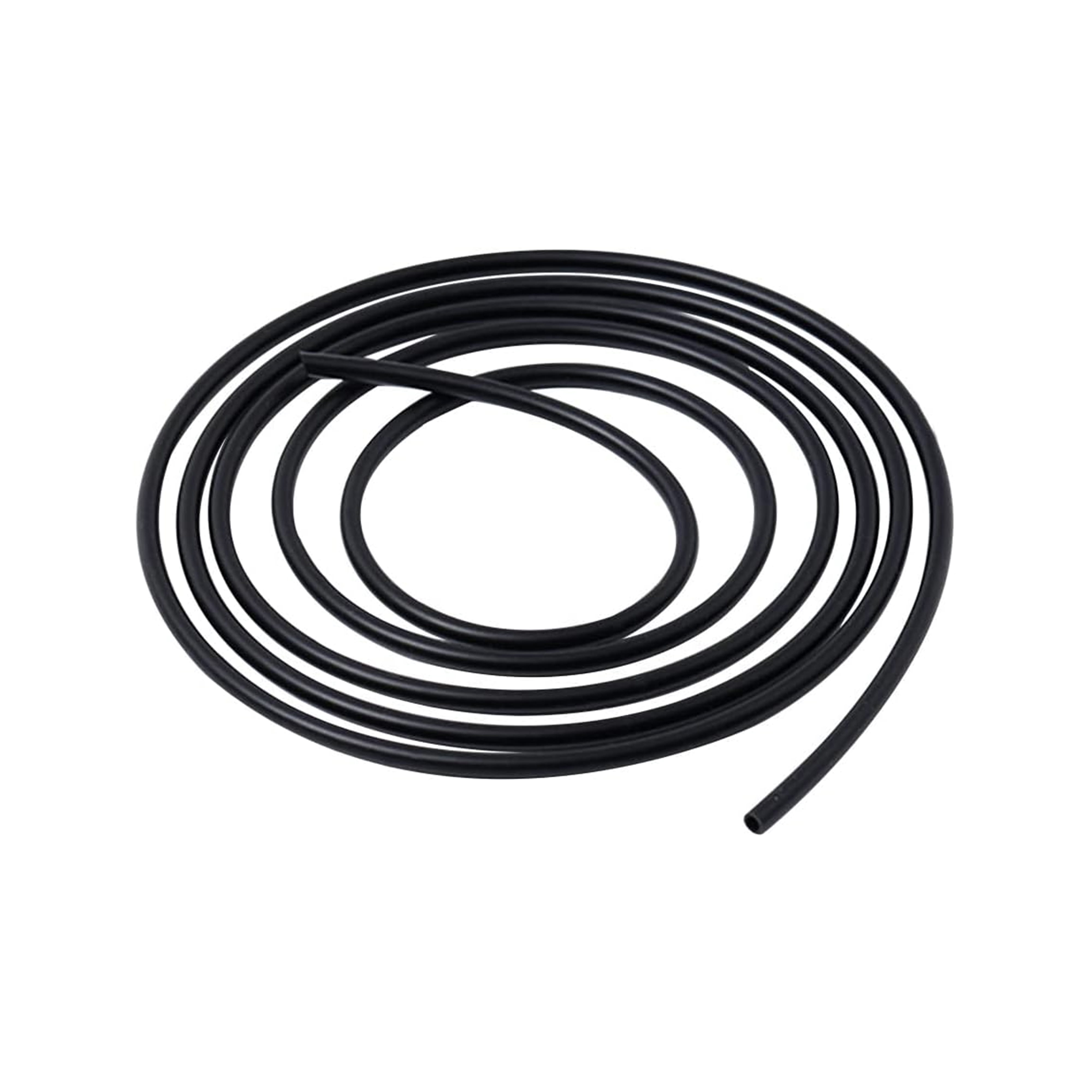
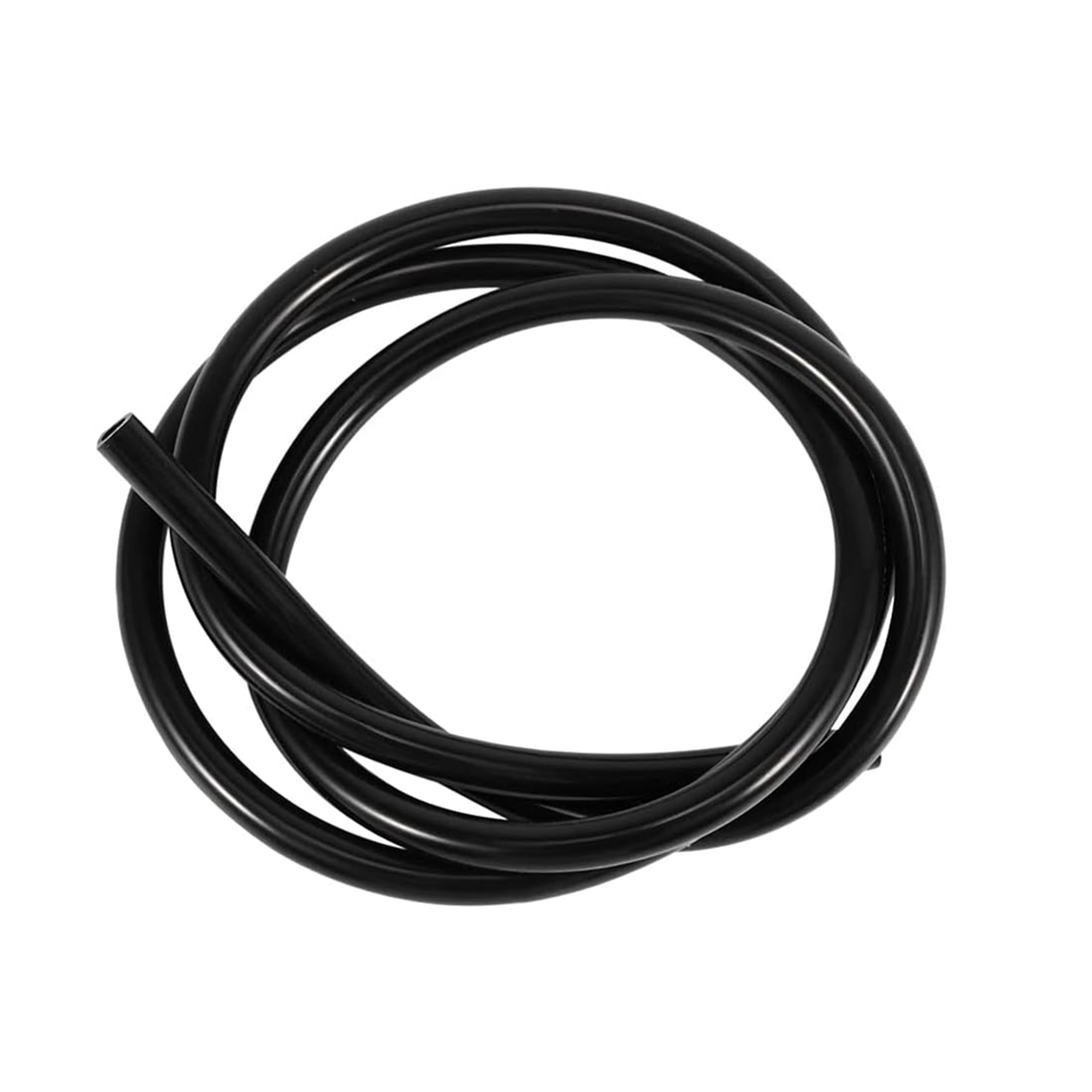
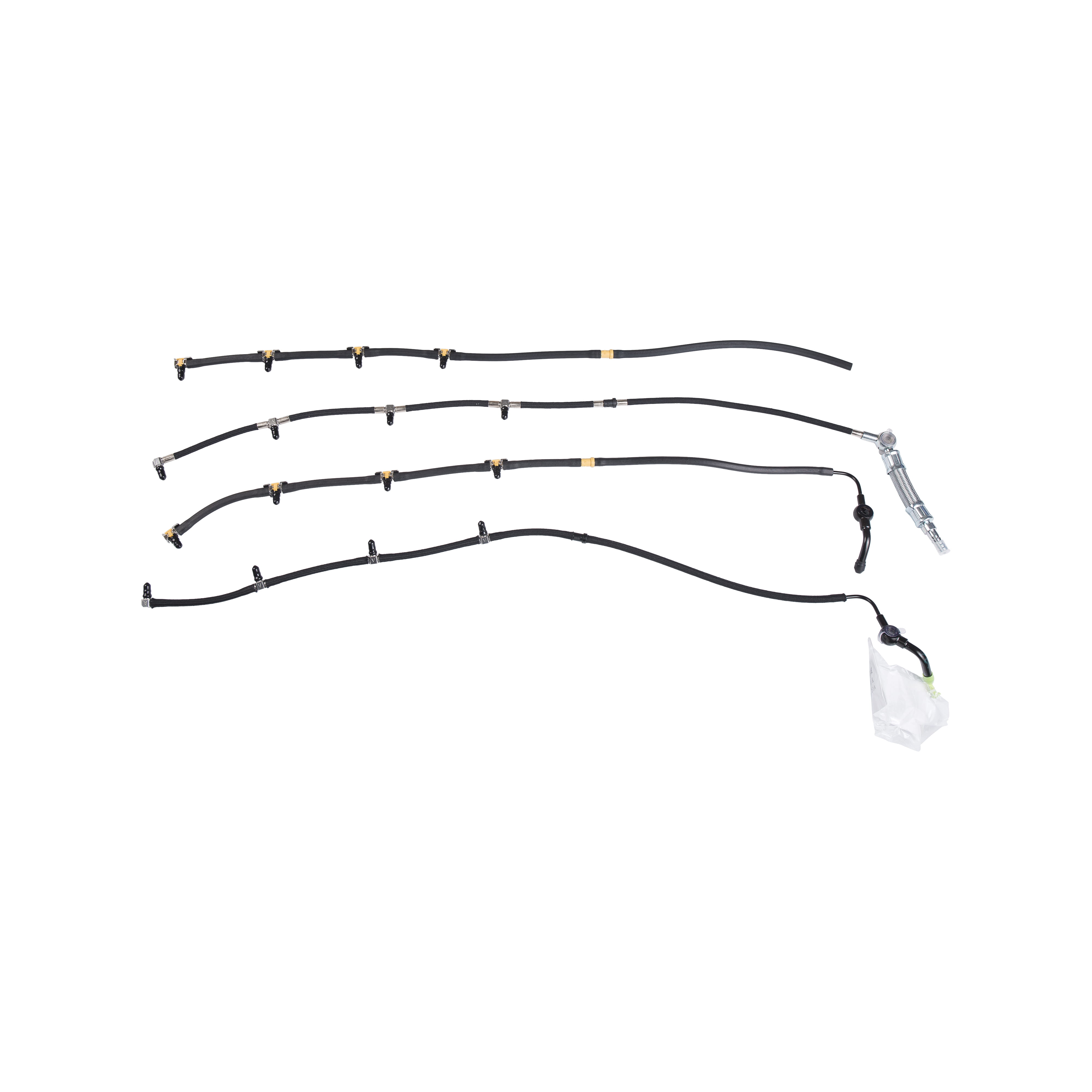
A low pressure oil hose is designed to safely transfer lubricating oil, fuel oil, or hydraulic return oil under relatively low working pressures, typically below 300 PSI (2.0 MPa). It is the correct choice for oil return lines, lubrication systems, and engine oil circulation where flexibility, oil resistance, and durability matter more than extreme pressure strength.
Using a hose rated specifically for low pressure oil prevents overengineering, reduces cost, and improves installation flexibility while still meeting safety and performance requirements.
Typical Applications of Low Pressure Oil Hose
Low pressure oil hoses are commonly used in systems where oil flows continuously but without high pressure spikes. These environments prioritize chemical compatibility and heat resistance over burst strength.
- Engine oil return lines in automotive and diesel engines
- Lubrication systems for industrial machinery
- Hydraulic oil drain and return lines
- Fuel and oil transfer in agricultural equipment
In these scenarios, selecting a hose with unnecessary high-pressure reinforcement can reduce flexibility and increase installation difficulty without adding real value.
Materials Used in Low Pressure Oil Hoses
Material selection directly affects oil compatibility, temperature resistance, and service life. Most low pressure oil hoses are built with oil-resistant rubber compounds or thermoplastics.
Common Inner Tube Materials
- NBR (Nitrile Rubber): Excellent resistance to petroleum-based oils, widely used up to 100°C
- CR (Neoprene): Moderate oil resistance with improved weather and ozone performance
- Thermoplastic (PVC or TPU): Lightweight and flexible for light-duty oil transfer
The outer cover is often reinforced with textile braiding to maintain shape while preserving flexibility under low pressure conditions.
Pressure, Temperature, and Size Considerations
Even though the hose is classified as low pressure, matching technical limits to actual operating conditions is critical for reliability and safety.
| Parameter | Common Range |
|---|---|
| Working Pressure | 50–300 PSI |
| Temperature Range | -30°C to +100°C |
| Inner Diameter | 6 mm to 50 mm |
Selecting a hose with adequate temperature margin is especially important in engine compartments, where oil temperature can exceed 90°C during continuous operation.
How to Choose the Right Low Pressure Oil Hose
Choosing the correct hose involves balancing performance, cost, and installation conditions rather than focusing on pressure rating alone.
- Verify oil compatibility with the inner tube material
- Confirm working pressure and include a safety factor of at least 3:1
- Check temperature resistance against real operating conditions
- Consider flexibility and minimum bend radius for tight installations
In many industrial cases, a properly specified low pressure oil hose can last 3–5 years with minimal maintenance.
Final Takeaway
A low pressure oil hose is the most efficient and reliable solution for oil transfer systems that do not require high-pressure reinforcement. By focusing on oil resistance, temperature tolerance, and proper sizing, users can achieve long service life, easier installation, and lower overall system cost without compromising safety.