English
 Español
 русский
Understanding the Function of Low-Pressure Oil Pipes
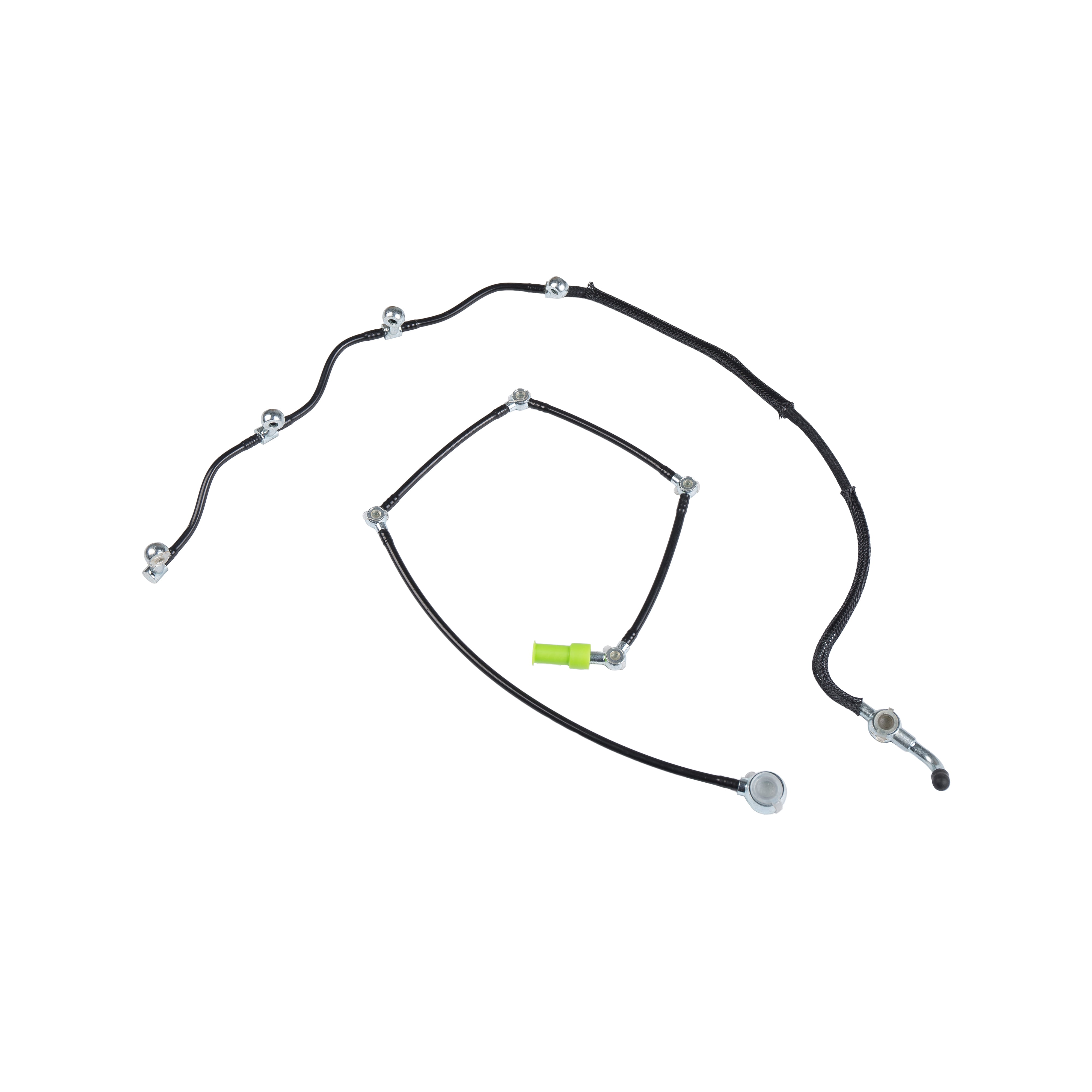
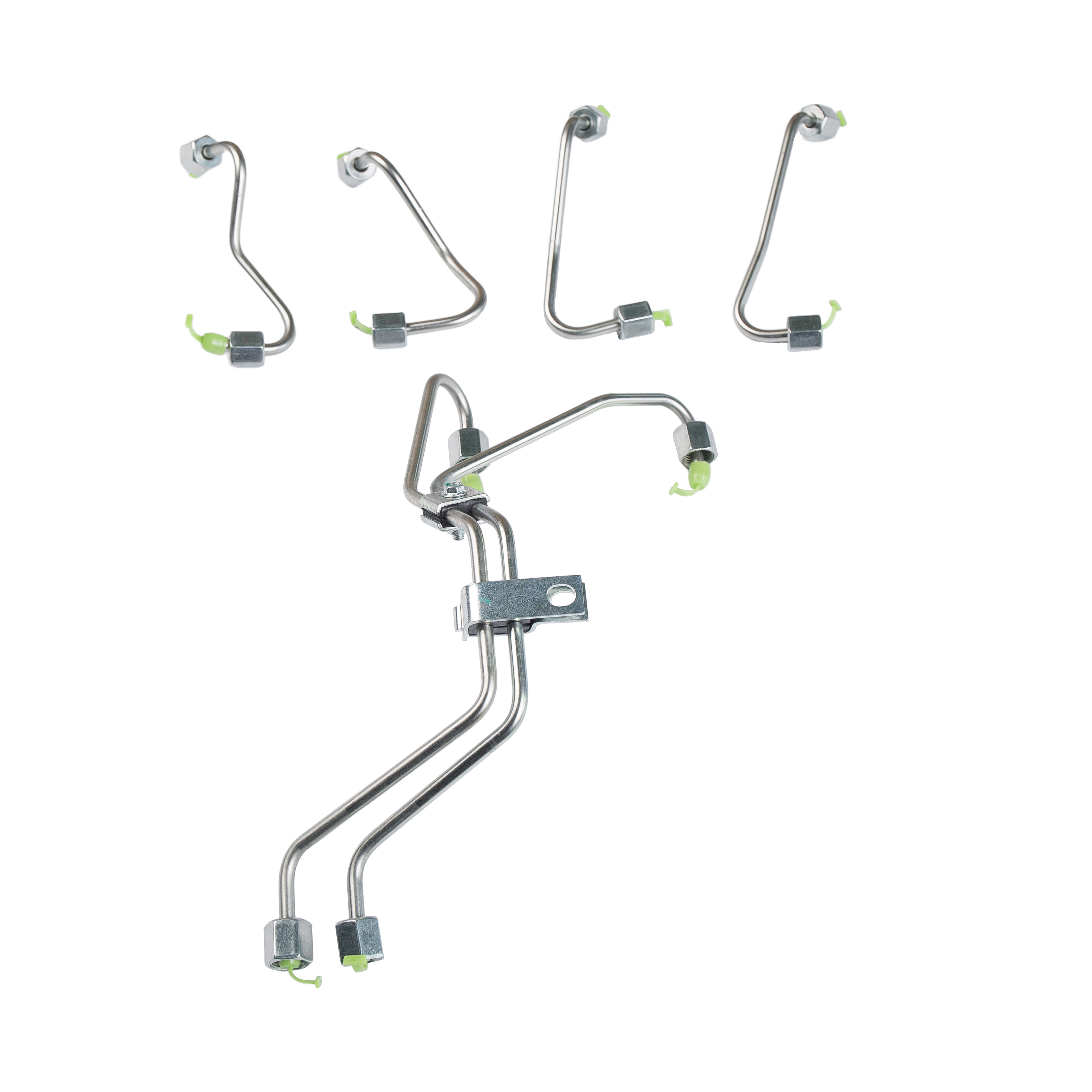
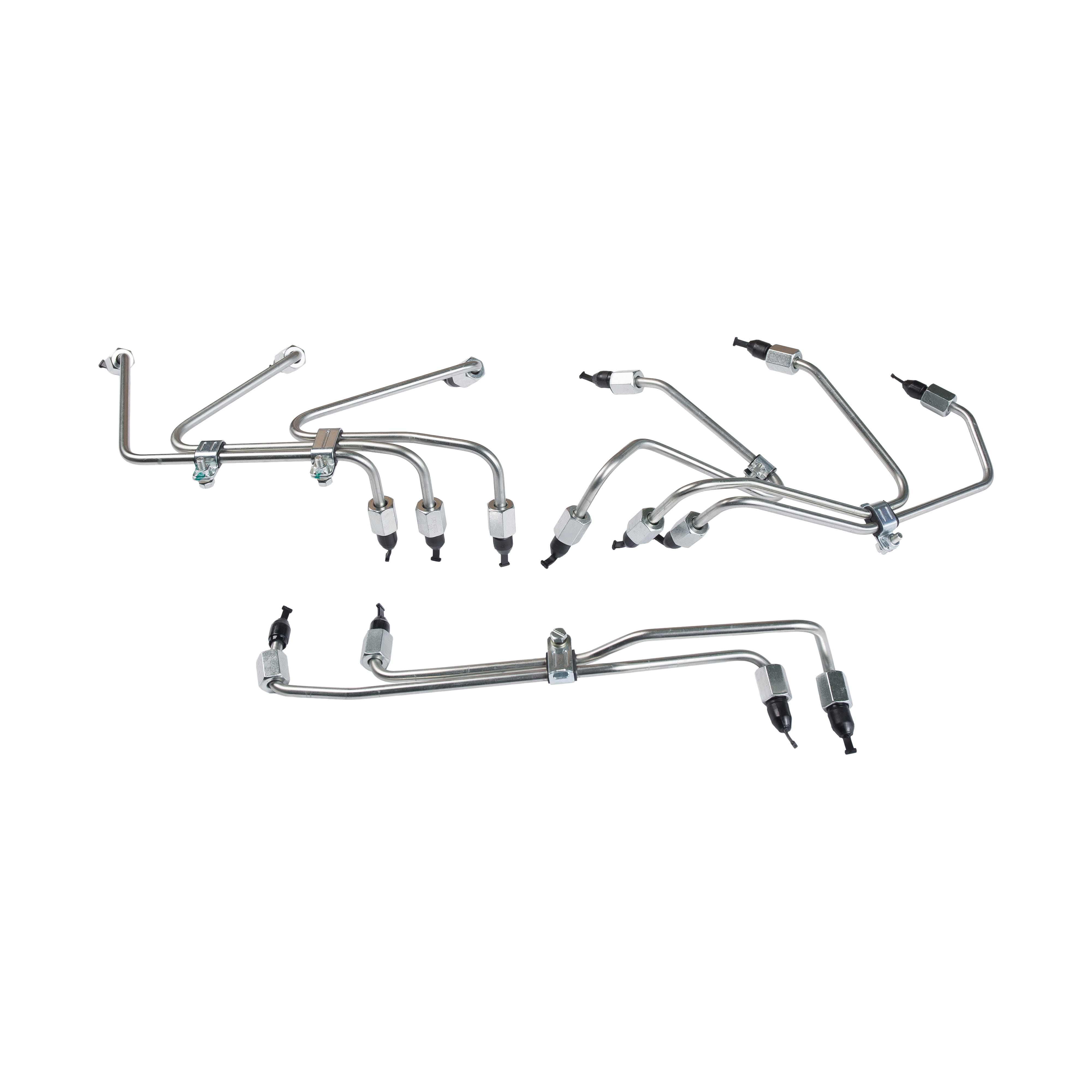
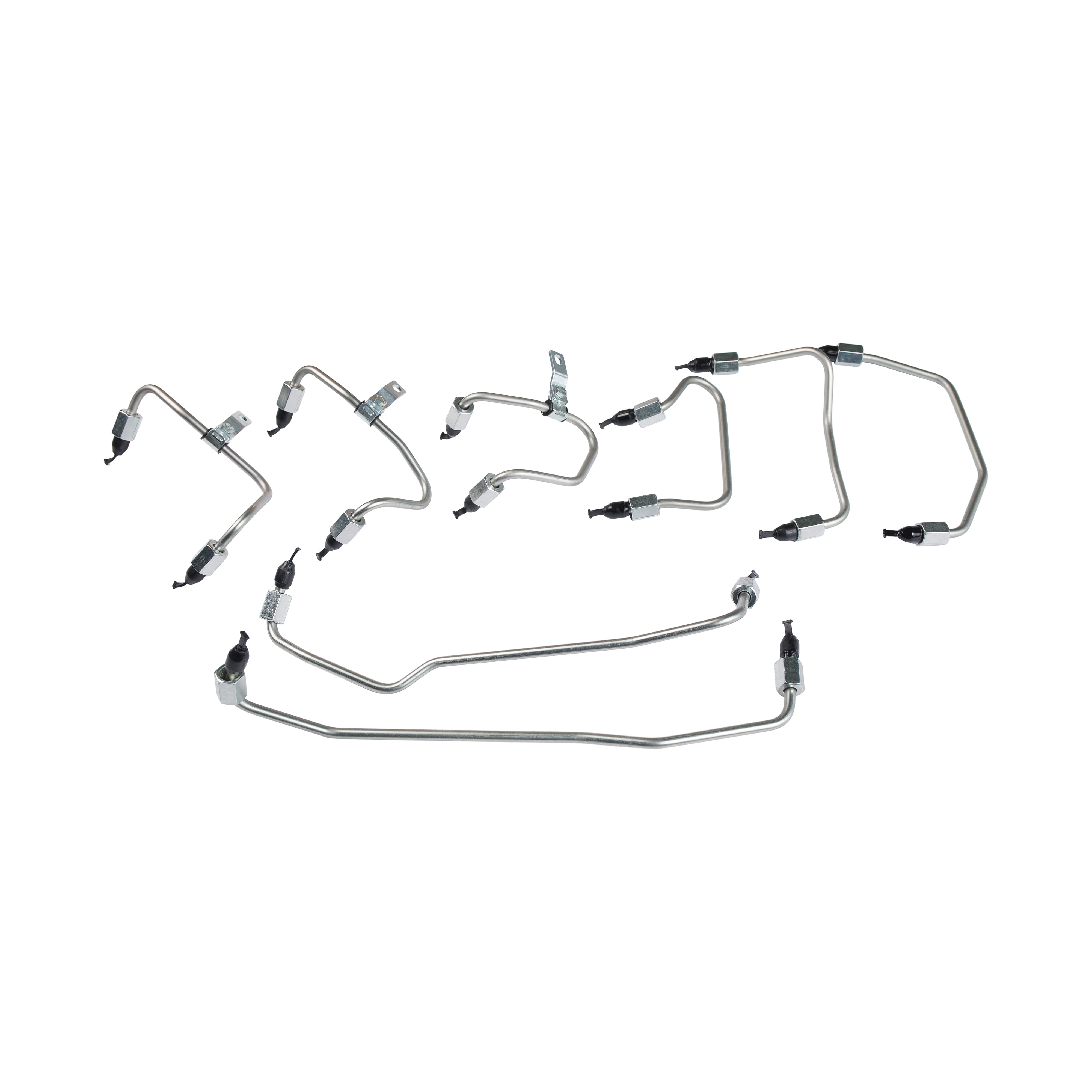
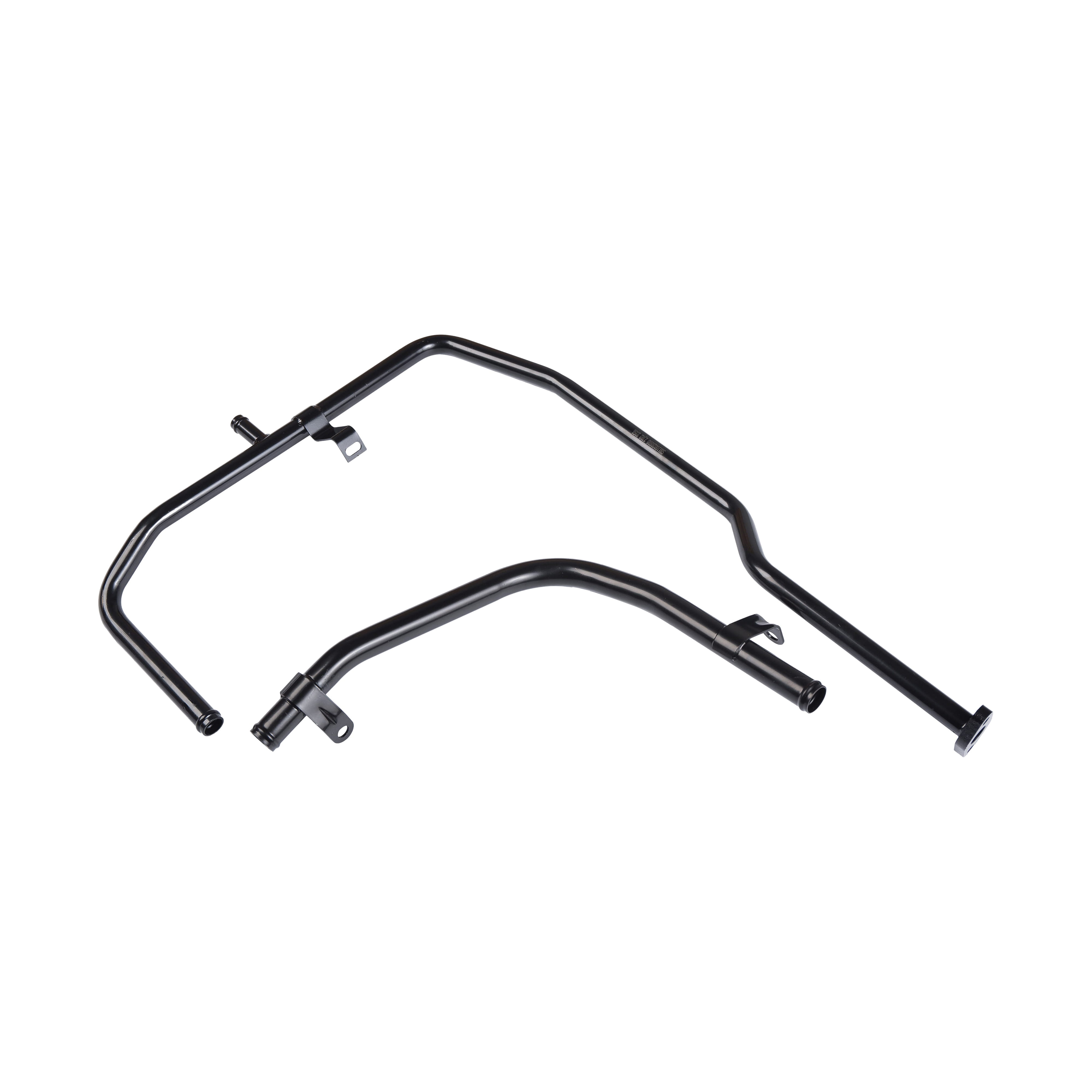
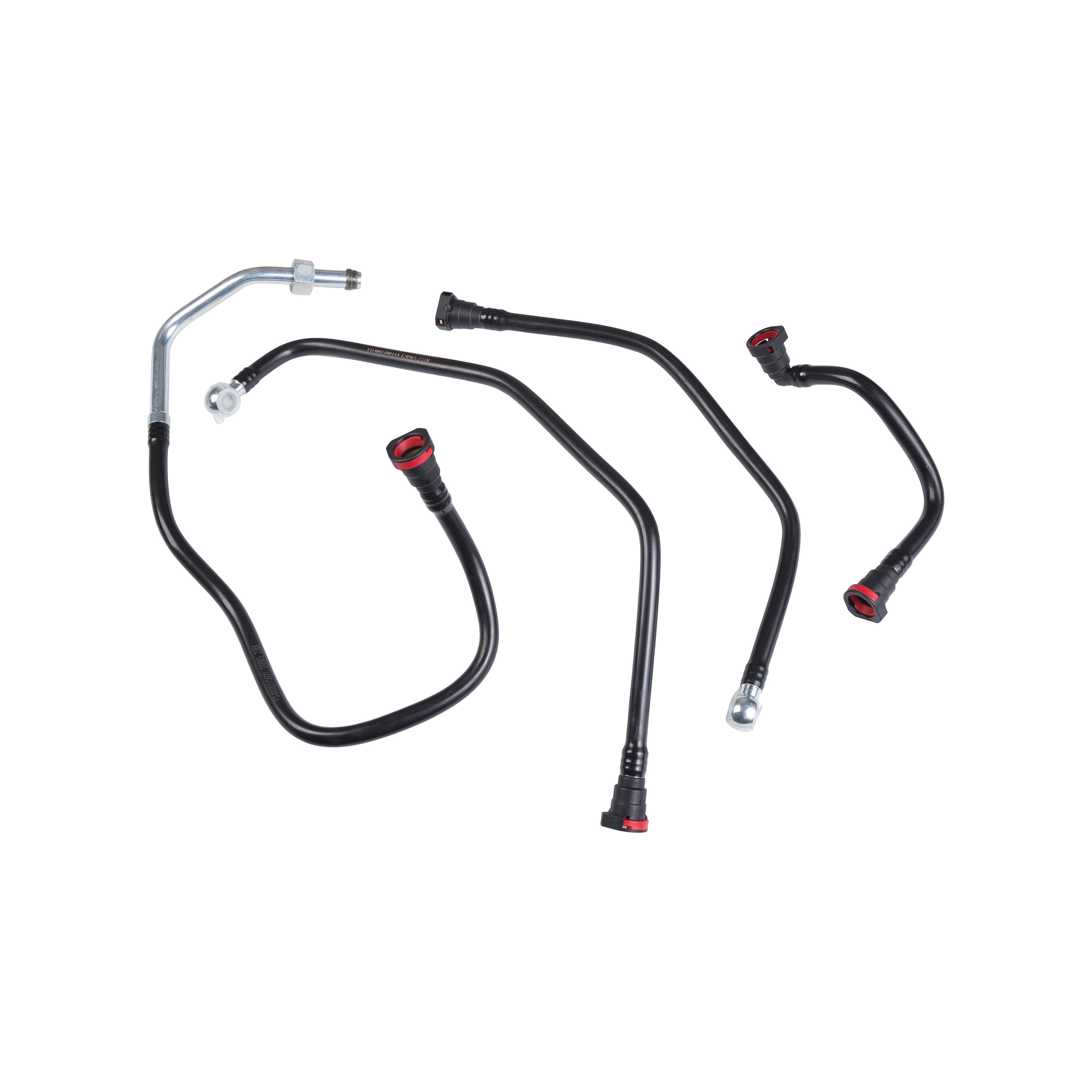
Low-pressure oil pipes are designed to transport oils and petroleum-based fluids under relatively low operating pressures. They are widely used in automotive systems, industrial machinery, lubrication circuits, and fuel return lines where pressure demands are moderate and stable. Unlike high-pressure oil pipes, these systems prioritize material compatibility, flexibility, and long-term resistance to oil degradation rather than extreme pressure tolerance.
Selecting the correct type of oil for a low-pressure oil pipe is essential to prevent leaks, swelling, hardening, or premature pipe failure. The suitability of an oil depends on its viscosity, chemical composition, operating temperature, and interaction with the pipe material.
Key Factors That Determine Oil Compatibility
Not all oils behave the same way when transported through a low-pressure oil pipe. Compatibility is influenced by both the oil’s properties and the pipe’s construction materials, which may include rubber, reinforced rubber, thermoplastics, or metal.
Viscosity and Flow Characteristics
Low-pressure oil pipes are best suited for oils with low to medium viscosity. Extremely thick oils may increase flow resistance, causing localized pressure buildup or insufficient lubrication at the delivery point. Stable flow characteristics help ensure consistent performance and reduce internal wear.
Chemical Composition
Mineral oils, synthetic oils, and blended oils can interact differently with pipe materials. Additives such as detergents, sulfur compounds, or bio-components may affect elastomers and plastics over time, making chemical resistance a critical consideration.
Lubricating Oils Suitable for Low-Pressure Pipes
Lubricating oils are among the most common fluids transported through low-pressure oil pipes. These oils are used to reduce friction, dissipate heat, and protect mechanical components from wear in engines, gearboxes, and industrial equipment.
Most mineral-based and synthetic lubricating oils with moderate viscosity grades are compatible with standard low-pressure oil pipes, provided the operating temperature remains within the pipe’s rated limits.
- Engine lubricating oils
- Industrial machine oils
- Compressor lubricants
Hydraulic Oils in Low-Pressure Systems
Hydraulic oils are specifically formulated for power transmission and are commonly used in low-pressure hydraulic circuits, pilot lines, and return lines. These oils generally have stable viscosity, good oxidation resistance, and anti-wear properties.
Low-pressure oil pipes can safely transport standard hydraulic oils, including mineral-based hydraulic fluids and certain synthetic variants. However, attention should be paid to additive packages, as aggressive additives may accelerate aging in some rubber hoses.
Fuel Oils and Light Petroleum Products
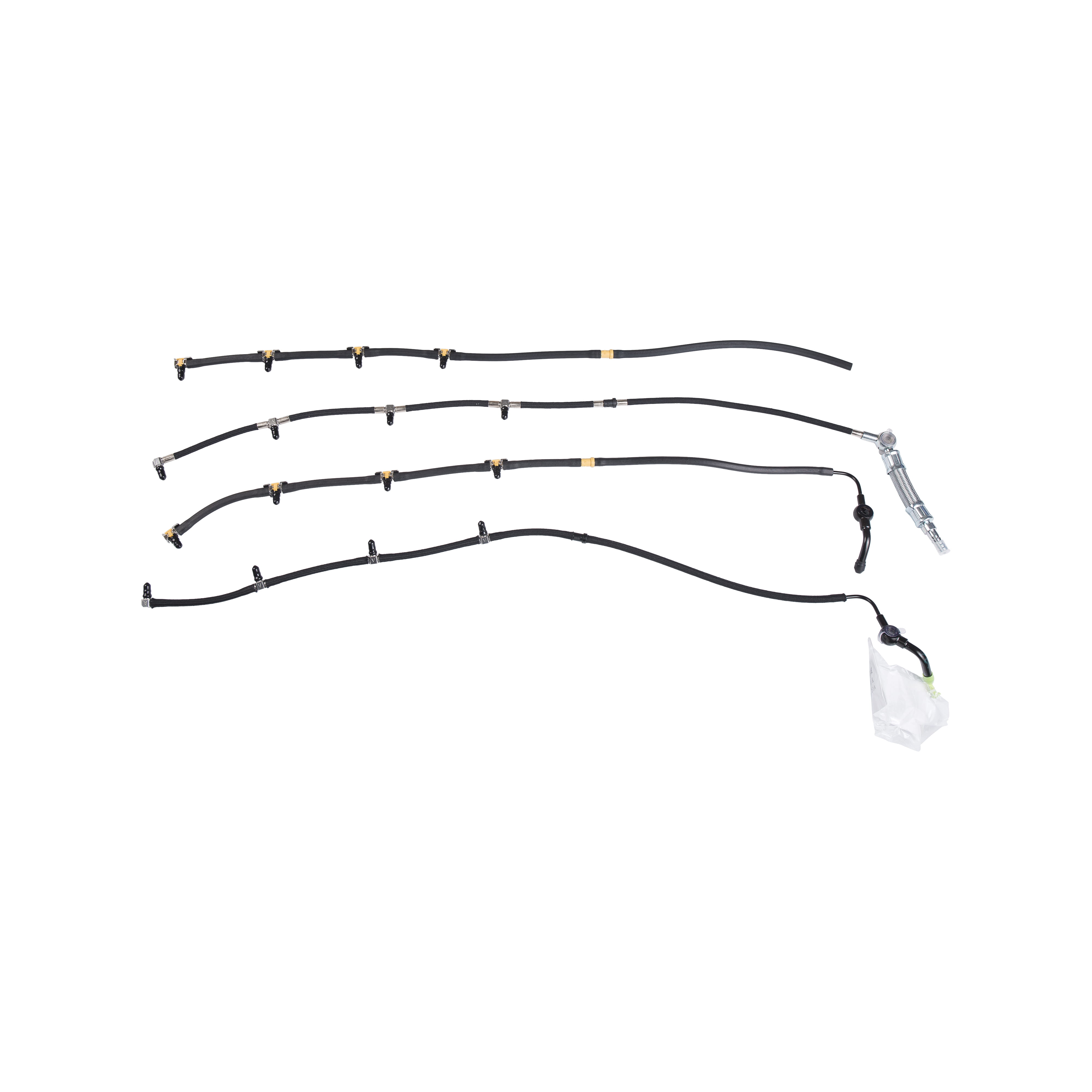
Many low-pressure oil pipes are used to transport fuel oils or light petroleum products, particularly in automotive and small engine applications. These pipes often serve as supply lines, return lines, or ventilation connections where pressure remains low.
Suitable fuels typically include diesel and similar light oils. Gasoline may also be transported in certain low-pressure systems, but only if the pipe material is specifically rated for fuel resistance and vapor permeability.
Industrial Oils and Process Fluids
Low-pressure oil pipes are widely used in industrial environments to move process oils that support manufacturing and production operations. These oils often function as coolants, corrosion inhibitors, or processing aids.
Examples include cutting oils, heat transfer oils operating at moderate temperatures, and circulation oils used in closed-loop systems. Consistent chemical composition and controlled operating conditions make these oils well-suited for low-pressure piping.
Oils That May Require Special Consideration
Some oils can be transported through low-pressure oil pipes only under specific conditions. These oils may have properties that challenge standard materials, such as high aromatic content, aggressive additives, or elevated operating temperatures.
- Synthetic ester-based oils
- Bio-based or biodegradable oils
- High-temperature circulation oils
In these cases, compatibility testing and manufacturer approval are strongly recommended to ensure long-term reliability.
Summary of Common Oil Types and Suitability
The table below provides a practical overview of oil types commonly transported using low-pressure oil pipes and their general compatibility.
| Oil Type | Typical Viscosity | Suitability | Common Applications |
| Lubricating Oil | Low–Medium | High | Engines, machinery |
| Hydraulic Oil | Medium | High | Hydraulic systems |
| Diesel Fuel | Low | High | Fuel supply and return |
| Bio-based Oil | Variable | Conditional | Eco-focused systems |
Best Practices for Safe Oil Transportation
To ensure safe and efficient transport of oils through low-pressure oil pipes, proper selection and maintenance are essential. Even compatible oils can cause problems if operating conditions exceed design limits.
- Verify oil compatibility with pipe material
- Monitor operating temperature and pressure
- Inspect pipes regularly for swelling or leaks
Conclusion: Matching the Right Oil to the Right Pipe
Low-pressure oil pipes are suitable for transporting a wide range of oils, including lubricating oils, hydraulic oils, diesel fuel, and many industrial process oils. Their success depends on matching oil properties with pipe material capabilities and maintaining stable operating conditions.
By understanding oil characteristics and following best practices, users can ensure reliable performance, long service life, and safe operation in low-pressure oil transport systems.