English
 Español
 русский
Seamless Carbon Steel Engine Low Pressure Pipe: Direct Answer
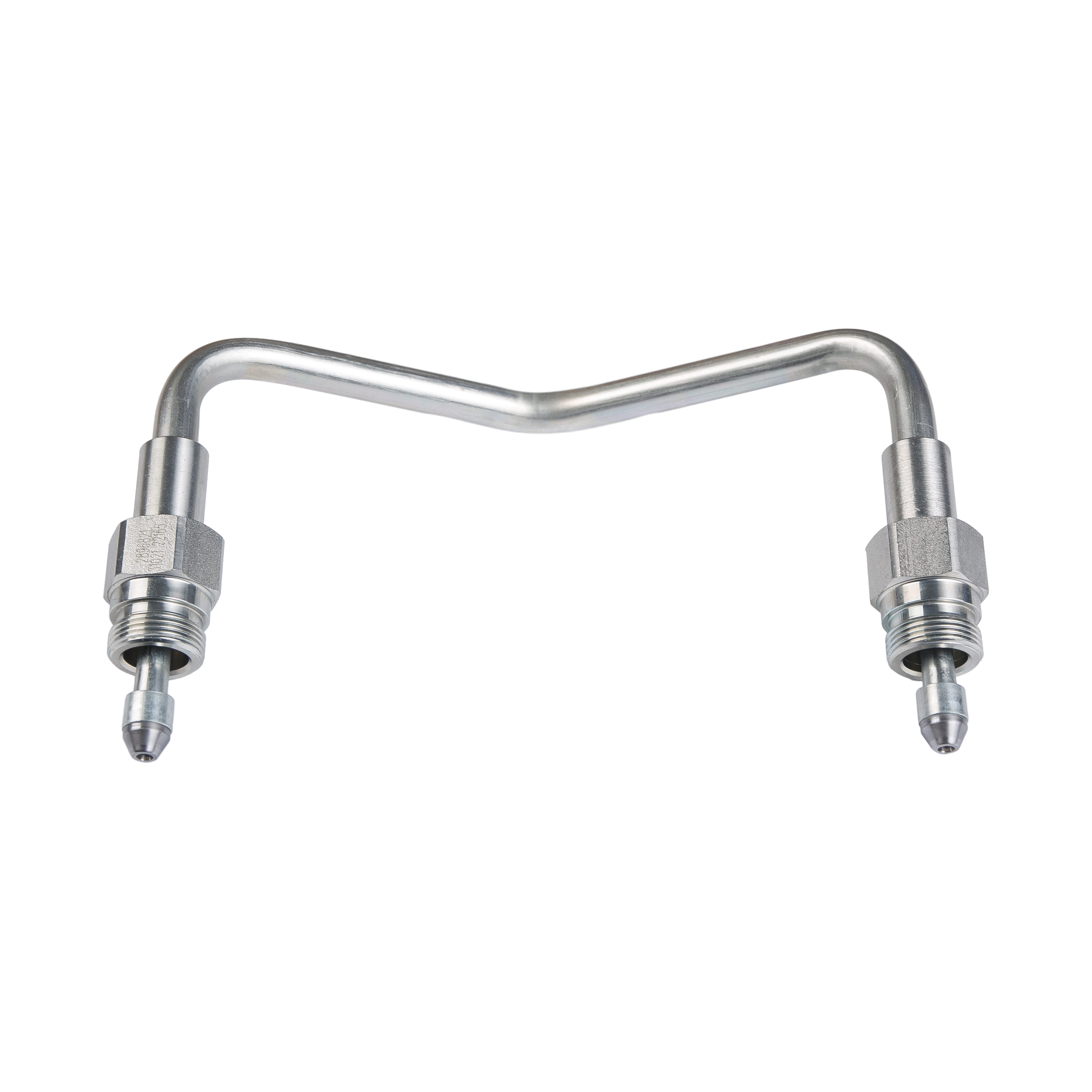
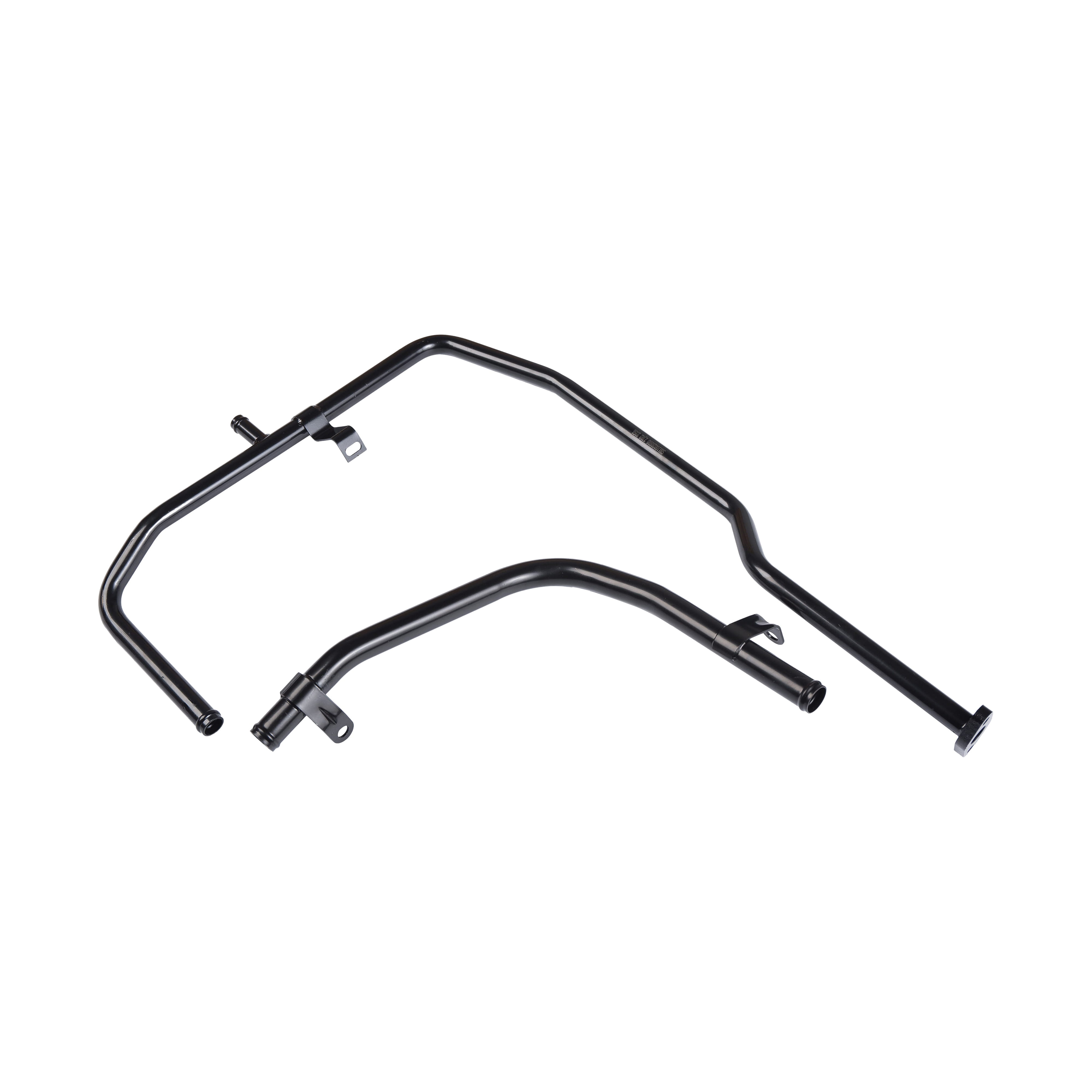
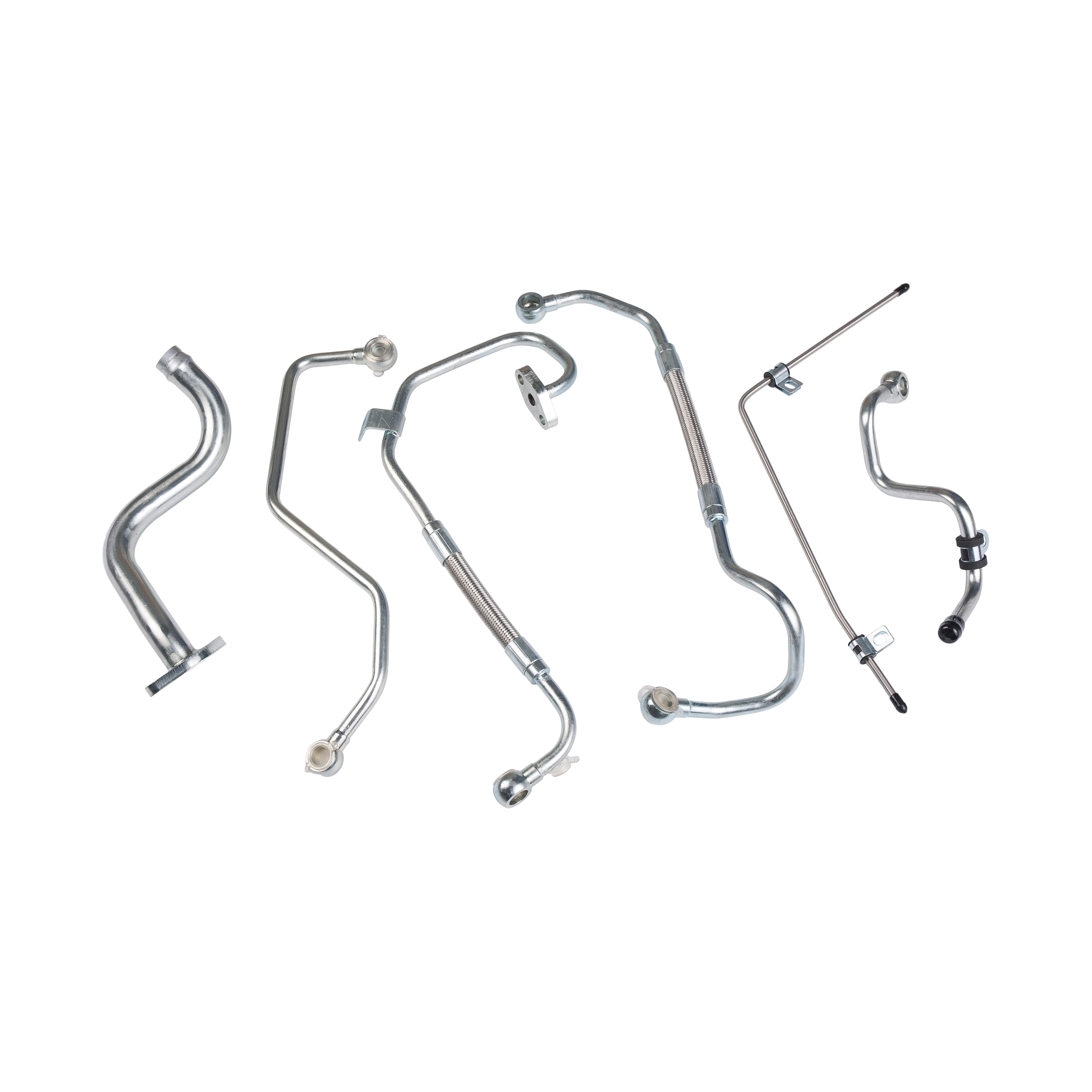
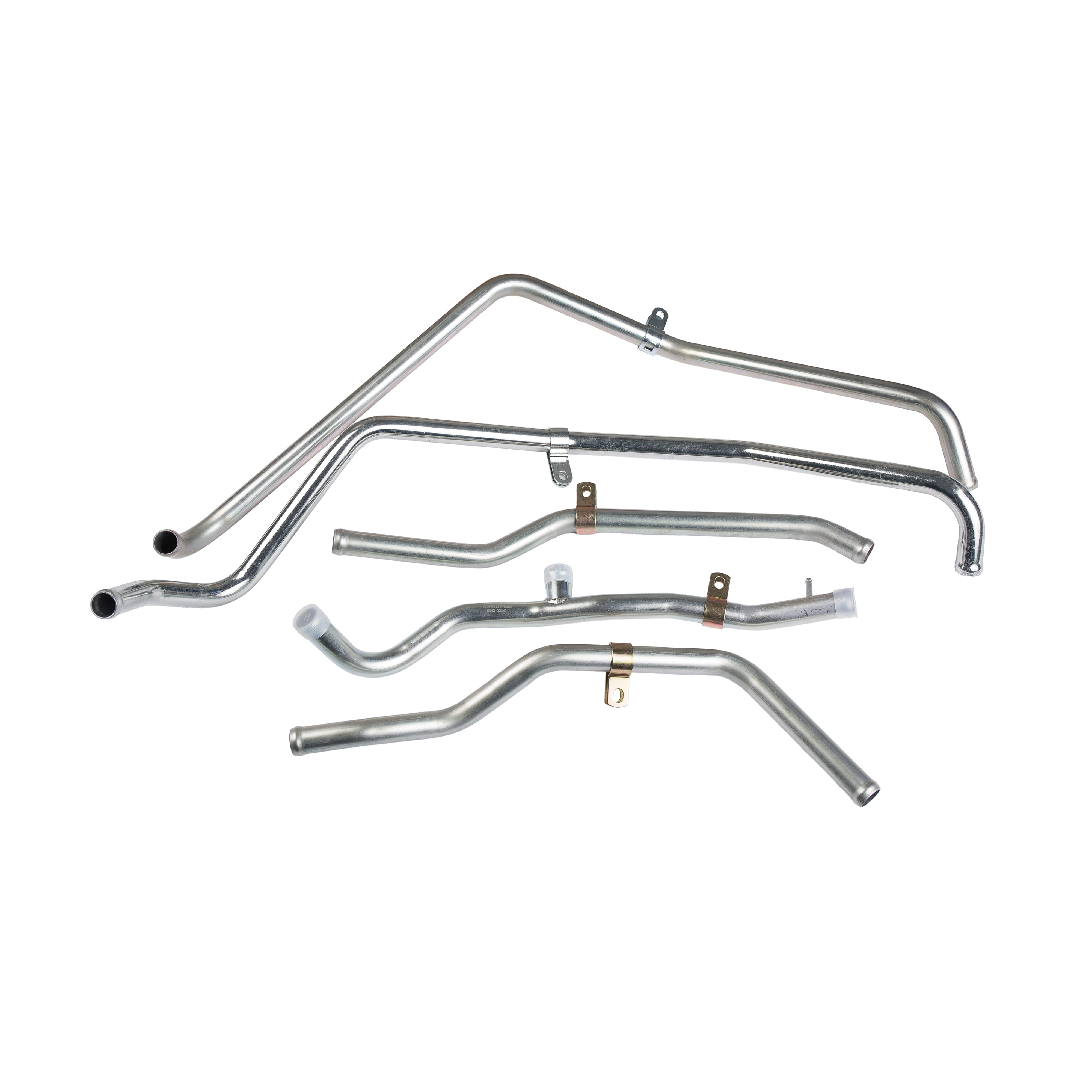
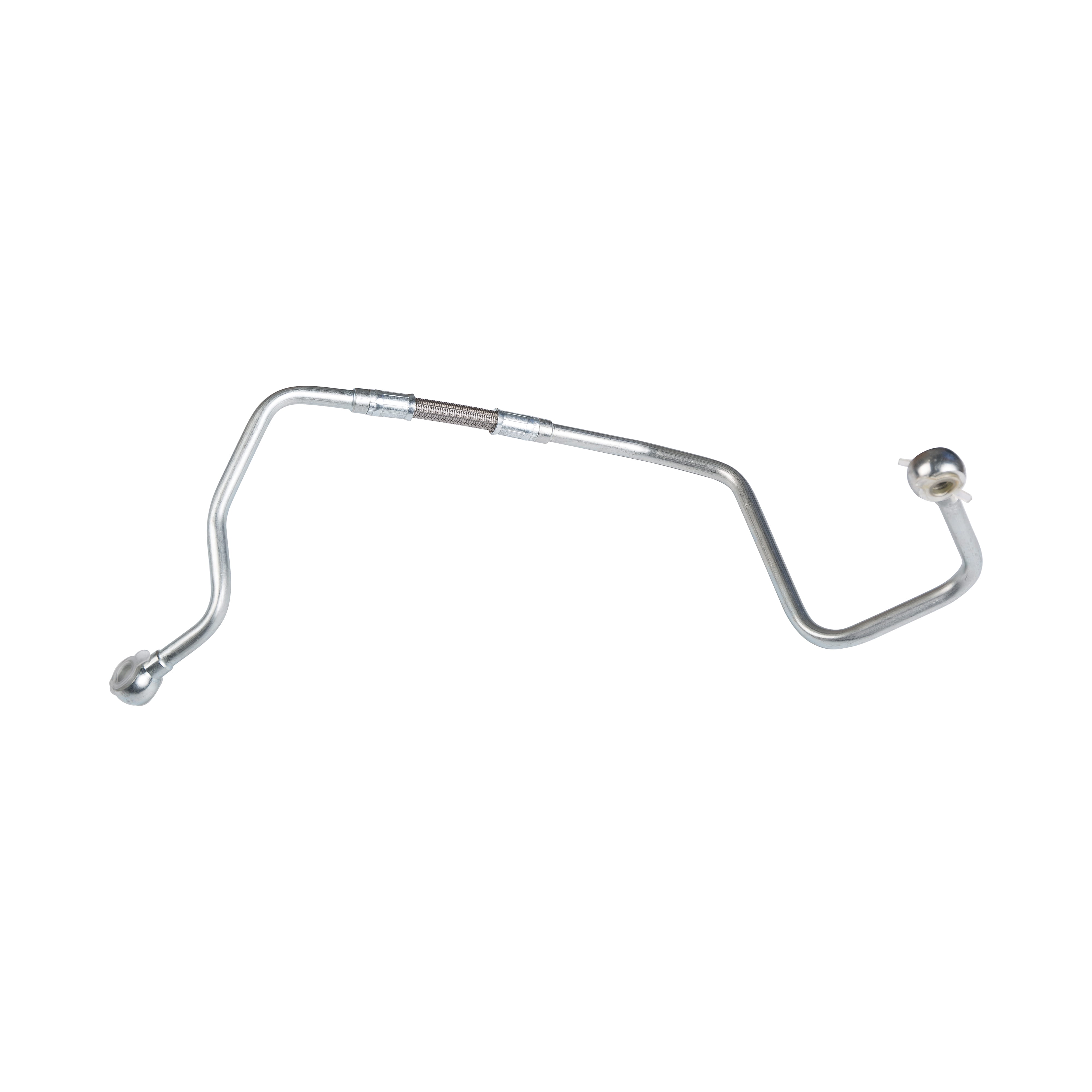
Seamless carbon steel engine low pressure pipe is the preferred solution for fluid and gas transport in engine systems operating under moderate pressure because it provides uniform strength, leak resistance, and stable mechanical performance without welded joints.
In automotive, marine, and industrial engine systems, these pipes are commonly used for fuel lines, lubrication systems, cooling circuits, and air intake systems where pressure typically remains below 2.5 MPa. The seamless structure ensures consistent wall thickness and eliminates weld seam weaknesses, significantly reducing failure risks during long-term operation.
Why Seamless Structure Matters in Engine Applications
Engine environments involve vibration, thermal cycling, and pressure fluctuations. A welded pipe contains a longitudinal seam that may become a stress concentration point under these conditions. Seamless pipes, manufactured through hot rolling or cold drawing, eliminate this structural discontinuity.
Performance Advantages
- Uniform grain structure throughout the pipe body
- Higher fatigue resistance under cyclic pressure
- Reduced leakage probability compared to welded pipes
- Better performance under vibration conditions
For example, fatigue testing shows seamless carbon steel pipes can withstand over 10⁶ pressure cycles at 1.5 MPa without crack formation when properly heat-treated.
Material Composition and Mechanical Properties
Low pressure engine pipes typically use carbon steel grades such as ASTM A106 Grade B, ASTM A53, or equivalent GB standards like 20# steel. These materials balance strength, ductility, and weldability.
| Property | Typical Value | Practical Impact |
|---|---|---|
| Tensile Strength | 415 – 550 MPa | Prevents rupture under load |
| Yield Strength | 240 – 345 MPa | Maintains dimensional stability |
| Elongation | ≥20% | Improves flexibility and vibration tolerance |
Typical Dimensions and Pressure Range
Seamless carbon steel engine low pressure pipes are commonly produced in outer diameters ranging from 10 mm to 219 mm, with wall thickness from 1.5 mm to 12 mm.
In low pressure engine systems:
- Fuel lines typically operate below 1.0 MPa
- Lubrication systems range between 0.2 – 0.8 MPa
- Cooling systems usually remain under 0.5 MPa
Proper wall thickness selection ensures a safety factor of at least 3–4 times the operating pressure, enhancing long-term reliability.
Manufacturing Process and Quality Control
These pipes are typically manufactured using hot rolling followed by cold drawing for precision applications. Cold drawing improves dimensional tolerance to within ±0.1 mm for smaller diameters.
Common Quality Tests
- Hydrostatic pressure testing
- Ultrasonic flaw detection
- Eddy current testing
- Chemical composition verification
These inspections ensure the pipe can withstand engine vibration, temperature variations between -20°C and 400°C, and continuous mechanical stress.
Practical Selection Guidelines
Selecting the correct seamless carbon steel engine low pressure pipe depends on several key factors:
- Operating pressure and safety factor requirements
- Fluid type (fuel, oil, coolant, compressed air)
- Temperature range of the engine system
- Corrosion protection needs (coating or galvanization)
For corrosive environments or marine engines, applying anti-corrosion coatings or selecting internally treated pipes significantly extends service life beyond 10 years under normal operating conditions.
Conclusion: Reliable Performance for Engine Systems
Seamless carbon steel engine low pressure pipe provides the durability, pressure resistance, and structural consistency required for safe engine fluid transport. Its seamless construction minimizes failure risks, while carbon steel ensures mechanical strength and cost efficiency.
With proper material grade selection, wall thickness calculation, and quality control verification, these pipes deliver long-term performance in automotive, industrial, and marine engine applications.