English
 Español
 русский
The integration of ceramic bearings into a full range of bearings has become increasingly important in modern industrial applications. Ceramic bearings, typically made from materials such as silicon nitride or zirconia, offer exceptional performance characteristics including high speed capabilities, low friction, and resistance to corrosion and wear. By incorporating ceramic bearings alongside traditional steel or hybrid bearings, manufacturers can provide comprehensive solutions that meet the diverse needs of industries ranging from automotive and aerospace to high-precision machinery.
Overview of Full Range Bearing Offerings
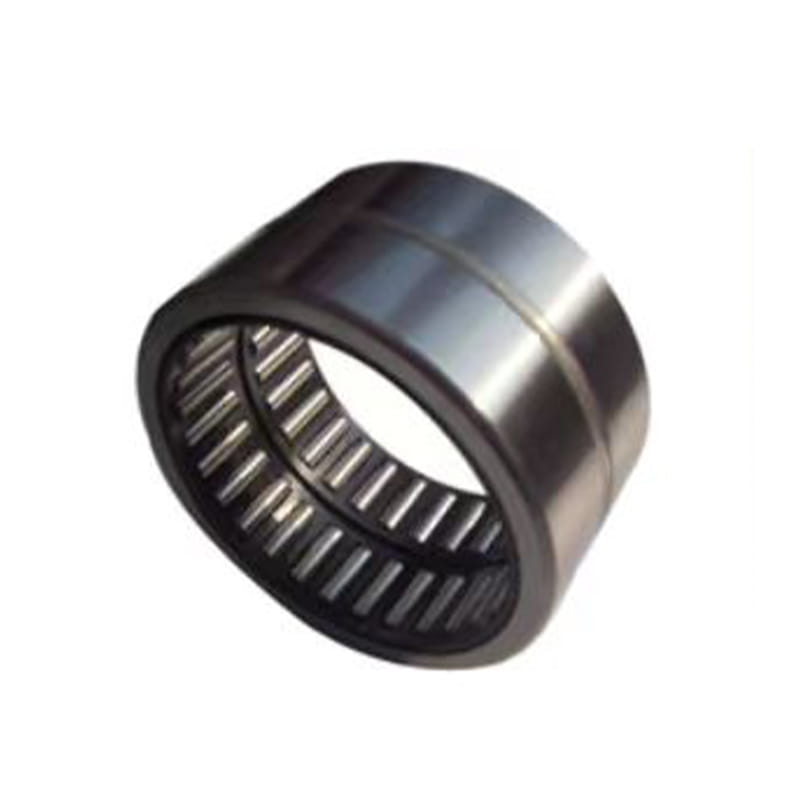
A full range of bearings refers to a product portfolio that includes multiple types, sizes, and materials of bearings designed to cover a wide spectrum of mechanical applications. This includes deep groove ball bearings, angular contact bearings, roller bearings, thrust bearings, and hybrid solutions. By offering a complete range, suppliers ensure that customers can select the optimal bearing for specific load, speed, environmental, and longevity requirements.
The inclusion of ceramic bearings within this full range allows manufacturers to address specialized applications where standard steel bearings may be insufficient due to limitations in speed, weight, temperature tolerance, or chemical resistance.
Characteristics of Ceramic Bearings
Ceramic bearings are distinct from traditional steel bearings due to the inherent properties of ceramic materials. These properties contribute to their superior performance in certain environments:
- Low density, reducing rotational mass and inertia
- High hardness and wear resistance, prolonging lifespan
- Low thermal expansion, maintaining precision at elevated temperatures
- Excellent corrosion resistance in chemically aggressive environments
- Reduced friction and heat generation for high-speed applications
These characteristics make ceramic bearings ideal for high-performance or harsh environments, including aerospace turbines, high-speed spindles, medical equipment, and precision robotics.
Integration Strategies within a Full Range Offering
Integrating ceramic bearings into a full range requires careful consideration of material compatibility, dimensional standards, and application requirements. Manufacturers typically adopt a tiered approach:
Hybrid Bearings
One common strategy is to offer hybrid bearings that combine ceramic balls with steel races. This approach leverages the benefits of ceramic in reducing friction and wear while maintaining the cost-effectiveness and structural familiarity of steel components.
Full Ceramic Bearings
For high-performance applications, full ceramic bearings with both ceramic balls and races are included in the product portfolio. These bearings are typically designed for extreme conditions where maximum speed, thermal stability, and chemical resistance are critical.
Customized Application Solutions
Suppliers may also offer customized bearing solutions, including specialized coatings, lubrication options, or dimensional modifications. Integrating these options ensures that the full range meets the precise needs of diverse industries, from industrial machinery to medical devices.
Advantages of Including Ceramic Bearings in a Full Range
Including ceramic bearings enhances the versatility of a full range offering. Key advantages include:
- Expanded performance envelope, accommodating high-speed and high-temperature operations
- Improved longevity and reliability in demanding environments
- Reduced maintenance requirements due to lower wear and friction
- Ability to meet specialized industrial standards and certifications
- Enhanced competitive positioning by offering advanced solutions alongside standard steel bearings
Practical Applications Across Industries
Ceramic bearings integrated into a full range serve a variety of industry-specific needs. Common applications include:
| Industry | Application | Benefit |
| Aerospace | Turbine and engine components | High temperature tolerance, reduced weight |
| Automotive | High-speed transmission bearings | Low friction, longer service life |
| Medical Equipment | Precision robotics and MRI machines | Non-magnetic, high precision, corrosion resistance |
| Industrial Machinery | High-speed spindles and conveyors | Reduced wear, lower operating temperatures |
Challenges and Considerations
While ceramic bearings offer numerous benefits, integration into a full range also presents challenges. Manufacturing costs are higher than traditional steel bearings, and specialized handling is required to prevent chipping or damage. Designers must ensure proper lubrication, alignment, and load distribution to maximize performance.
Furthermore, supply chain considerations, including availability of raw ceramic materials and production lead times, must be addressed to ensure consistent availability of a complete range that includes ceramic options.
Future Trends in Full Range Bearing Integration
The integration of ceramic bearings into a full range is evolving with technological advancements. Innovations in hybrid materials, additive manufacturing, and advanced coatings are expanding the performance envelope of ceramic bearings. Additionally, predictive maintenance tools and real-time monitoring systems are being combined with ceramic bearing solutions to further improve reliability and reduce downtime.
These trends indicate that full range offerings will continue to incorporate ceramic bearings as industries demand higher performance, longer life, and more precise control in challenging environments.
Conclusion
Ceramic bearings play a critical role in enhancing a full range of bearings by providing high-speed capability, wear resistance, corrosion protection, and precision. By strategically integrating hybrid and full ceramic options, manufacturers can deliver versatile solutions that meet the demanding requirements of modern industrial, automotive, aerospace, and medical applications. The inclusion of ceramic bearings strengthens the product portfolio, ensuring that customers have access to advanced bearing technologies alongside conventional solutions.