English
 Español
 русский
The Role of Bearings in Modern Machinery
Bearings are fundamental components in machinery, providing smooth motion, reducing friction, and supporting loads. A full range of bearings ensures that engineers and maintenance teams can select the right type for every application, from high-speed motors to heavy-duty industrial equipment. Without the proper bearing selection, machines may experience premature wear, energy loss, or unexpected downtime.
Modern machinery demands precision, reliability, and efficiency. Bearings play a critical role in achieving these goals by enabling rotational or linear movement while minimizing mechanical resistance. Access to a full range of bearings allows manufacturers to tailor solutions for various loads, speeds, temperatures, and environmental conditions.
Types of Bearings and Their Applications
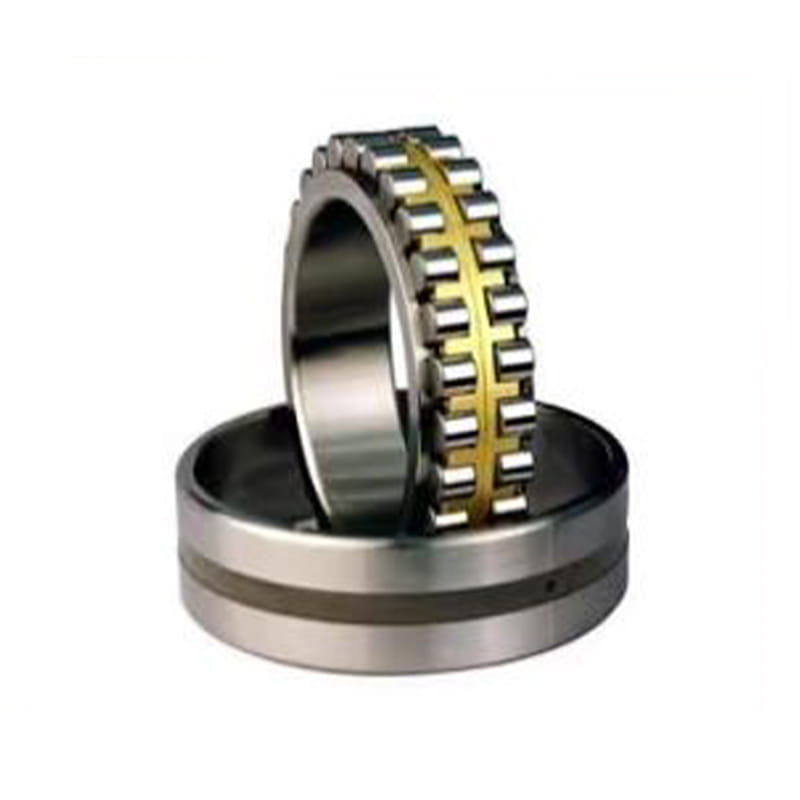
A full range of bearings includes ball bearings, roller bearings, needle bearings, thrust bearings, and specialized designs. Each type offers specific advantages suited to different applications. For instance, ball bearings are ideal for high-speed, low-load situations, whereas roller bearings excel under heavy radial loads.
Ball Bearings
Ball bearings reduce rotational friction and support both radial and axial loads. They are widely used in electric motors, conveyors, and robotics, where precision and speed are critical. Their versatility makes them a staple in a full bearing portfolio.
Roller Bearings
Roller bearings are designed for heavy radial loads. Common in gearboxes, industrial fans, and construction machinery, they provide durability and high load-bearing capacity, essential for maintaining long-term machine reliability.
Specialized Bearings
Specialized bearings, such as needle, thrust, or hybrid ceramic types, address unique challenges in machinery design. Needle bearings support compact spaces and high radial loads, while thrust bearings handle axial forces. Hybrid ceramic bearings offer high-speed performance and lower friction for advanced applications.
Enhancing Machinery Efficiency
Using the correct bearing from a full range directly affects machinery efficiency. Properly selected bearings reduce friction, heat generation, and energy consumption. In high-speed applications, even minor improvements in friction reduction can lead to significant energy savings over the equipment's operational life.
In addition, precision bearings maintain alignment and reduce vibration. This ensures consistent machine performance, lowers wear on other components, and prolongs service life.
Minimizing Maintenance and Downtime
A full range of bearings allows maintenance teams to quickly replace worn or damaged bearings with the most suitable option. Rapid replacement reduces downtime and keeps production schedules on track. Moreover, selecting the right bearing reduces the risk of premature failure, avoiding costly repairs and unplanned shutdowns.
Predictive maintenance is also enhanced when a full range of bearings is available. Engineers can monitor specific bearing types for wear and proactively schedule replacements, ensuring machinery operates reliably without unexpected interruptions.
Comparing Bearing Types for Optimal Selection
Selecting the right bearing requires understanding load type, speed, environmental conditions, and service life requirements. A full range of bearings provides engineers with options to meet precise specifications.
| Bearing Type | Best Use | Load/Speed Characteristics |
| Ball Bearings | Motors, conveyors, robotics | High speed, moderate load |
| Roller Bearings | Gearboxes, construction machinery | Heavy load, moderate speed |
| Needle Bearings | Compact spaces, automotive | High load, space-limited |
| Thrust Bearings | Axial load applications | High axial load |
Supporting Diverse Industrial Applications
A full range of bearings is essential across industries. In automotive manufacturing, precise bearings ensure smooth engine and transmission operation. In aerospace, specialized bearings meet extreme load and temperature requirements. Industrial machinery relies on bearings for reliable production, and energy sector equipment requires high-load capacity for turbines and generators.
Access to a comprehensive bearing portfolio allows engineers to specify optimal components for each application, improving reliability and operational efficiency across sectors.
Future Trends in Bearing Technology
Bearing technology continues to evolve, with innovations such as ceramic materials, hybrid bearings, and advanced lubrication systems. A full range of bearings ensures manufacturers can adopt these new technologies to enhance performance, reduce friction, and extend service life.
The availability of a complete bearing selection allows companies to remain competitive, incorporate the latest advancements, and maintain machinery at peak efficiency.
Conclusion: The Strategic Importance of a Full Bearing Range
A full range of bearings is crucial for modern machinery because it provides versatility, reliability, and efficiency. By offering the right type of bearing for every application, companies can reduce downtime, enhance performance, and ensure consistent operation in demanding industrial environments.
Investing in a comprehensive bearing portfolio is not only a matter of operational convenience but also a strategic decision that supports long-term productivity, maintenance optimization, and technological advancement.