English
 Español
 русский
Introduction to Full Range of Bearings
Bearings are essential components in virtually every type of machinery, providing smooth motion, reducing friction, and supporting load. A full range of bearings—from ball and roller bearings to specialized designs—ensures that industries can meet specific mechanical needs efficiently. This diversity allows manufacturers to optimize performance, longevity, and reliability in various industrial applications.
This article explores how having access to a full range of bearings supports industrial growth, enhances equipment performance, and addresses the challenges of modern manufacturing environments.
Types of Bearings and Their Applications
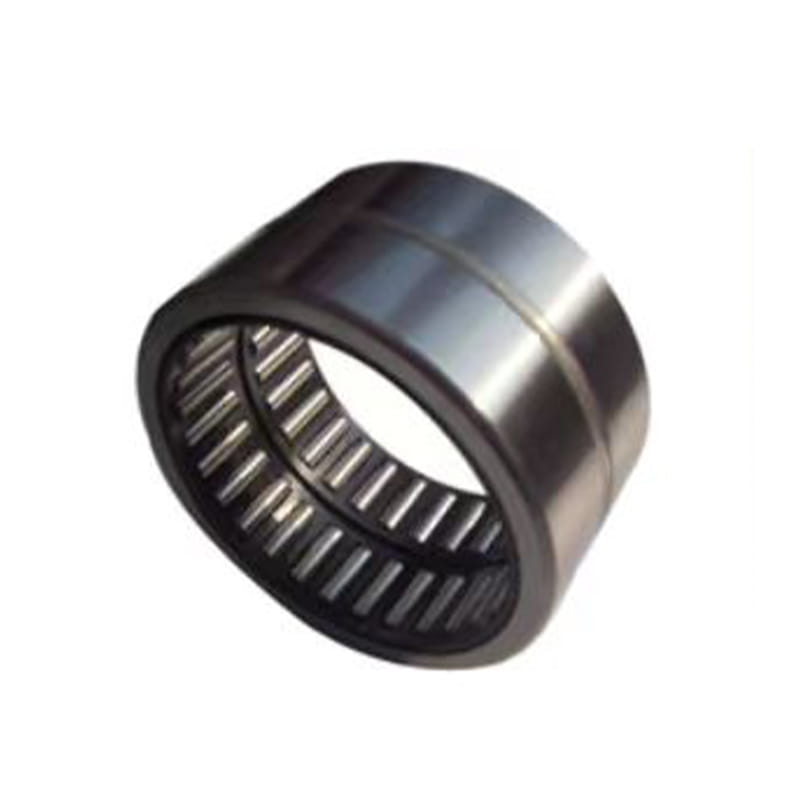
A full range of bearings encompasses multiple types, each designed for specific functions. Common types include deep groove ball bearings, cylindrical roller bearings, tapered roller bearings, spherical roller bearings, and needle bearings. Specialized bearings, such as magnetic or ceramic bearings, are also available for niche applications.
These bearings serve various industrial applications, including automotive, aerospace, heavy machinery, robotics, conveyors, and renewable energy systems. Each type provides tailored solutions for load capacity, speed, alignment, and environmental conditions.
Ball Bearings for High-Speed Operations
Ball bearings are ideal for applications requiring high-speed performance with minimal friction. They are widely used in motors, pumps, fans, and precision equipment. Their versatility and reliability make them essential for maintaining operational efficiency in production lines and industrial machinery.
Roller Bearings for Heavy Loads
Cylindrical, tapered, and spherical roller bearings are designed for heavy-duty applications. They support larger radial and axial loads, making them suitable for mining equipment, construction machinery, wind turbines, and material handling systems. Their robust construction reduces maintenance requirements and improves operational uptime.
Benefits of a Full Range of Bearings
Access to a full range of bearings offers multiple benefits for industrial operations. It ensures that engineers can select the most appropriate bearing for each application, optimizing performance and reducing the risk of premature failure. Diverse options allow for cost-effective solutions without compromising reliability or efficiency.
- Enhanced operational efficiency and reduced friction
- Increased machinery lifespan through appropriate load handling
- Lower maintenance costs with durable bearing selection
- Flexibility to address specialized or extreme conditions
Technological Advancements in Bearings
Modern bearings incorporate advanced materials and coatings to improve durability, reduce friction, and resist corrosion. Ceramic and hybrid bearings, for example, provide higher speed capabilities and greater resistance to heat and wear. Sealed and lubricated designs extend service life and reduce the need for frequent maintenance.
Innovation in bearing design also includes predictive maintenance technologies. Sensors and condition monitoring can detect early signs of wear or misalignment, allowing timely intervention to prevent costly downtime.
Industrial Applications and Case Studies
A full range of bearings supports diverse industries by addressing specific operational requirements. In the automotive sector, tapered roller bearings handle heavy axle loads while deep groove ball bearings ensure smooth rotation of engine components. In robotics, precision bearings enable accurate movement and high-speed performance.
Wind energy applications rely on spherical roller bearings to withstand variable loads and harsh environmental conditions. Material handling systems benefit from cylindrical roller bearings to sustain heavy conveyor operations, demonstrating the versatility and importance of a full bearing range.
| Bearing Type | Primary Use | Load Capacity | Speed Capability |
| Deep Groove Ball | Motors, Fans, Pumps | Medium | High |
| Cylindrical Roller | Conveyors, Heavy Machinery | High | Medium |
| Tapered Roller | Automotive Axles | High | Medium |
| Spherical Roller | Wind Turbines, Industrial Gearboxes | Very High | Low-Medium |
Maintenance and Longevity
Proper maintenance of bearings ensures consistent performance and long service life. This includes regular lubrication, monitoring for wear, and ensuring correct alignment. Selecting the right bearing type for load and speed reduces unnecessary strain and prevents premature failure.
A full range of bearings also allows replacement without redesigning equipment, ensuring that machinery downtime is minimized and industrial productivity remains high.
Conclusion: The Importance of a Full Bearing Range
A full range of bearings is vital for modern industrial applications, providing solutions for every load, speed, and environmental requirement. Access to diverse bearing types enhances operational efficiency, reduces maintenance costs, and ensures long-term reliability.
From automotive and robotics to heavy machinery and renewable energy, having a complete selection of bearings allows manufacturers to optimize performance, respond to specific challenges, and maintain competitive advantages in demanding industrial environments.