English
 Español
 русский
Introduction to Low Pressure Oil Hoses
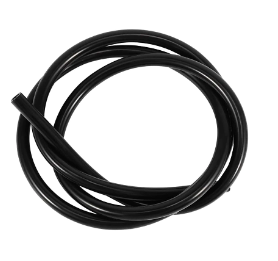
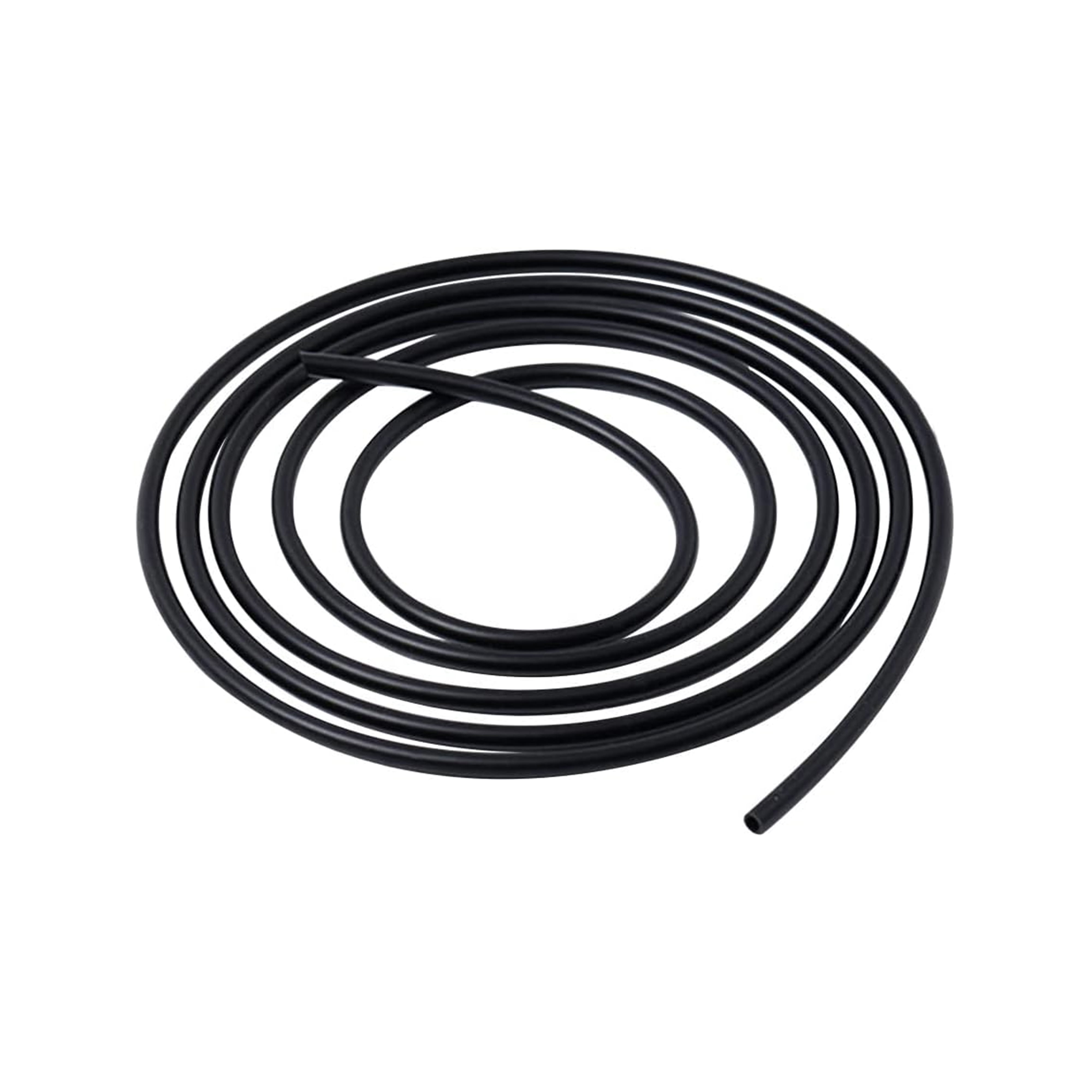
Low pressure oil hoses are flexible conduits designed to transport oils and other fluids in systems where high pressure is not required. They are widely used in automotive, industrial, agricultural, and hydraulic applications. Understanding the temperature and oil resistance properties of these hoses is essential for ensuring safe and efficient operation.
The performance of a low pressure oil hose depends on its material composition, inner lining, reinforcement layers, and external covering. These factors collectively determine the hose's ability to withstand high temperatures, resist oil degradation, and maintain structural integrity during prolonged use.
Material Composition and Its Role in Temperature Resistance
Low pressure oil hoses are commonly made from synthetic rubbers such as nitrile (NBR), neoprene (CR), or ethylene propylene diene monomer (EPDM). Each material offers specific temperature resistance characteristics and compatibility with different types of oils.
Nitrile Rubber (NBR)
NBR is widely used for low pressure oil hoses due to its excellent resistance to petroleum-based oils and fuels. NBR hoses typically operate within a temperature range of -40°C to +100°C, making them suitable for most engine oil lines, lubrication circuits, and hydraulic systems.
Neoprene Rubber (CR)
Neoprene hoses offer moderate oil resistance and can withstand temperatures from -30°C to +90°C. They are ideal for applications where exposure to water, mild oils, or coolants occurs, such as low-pressure lubrication lines and general fluid transfer.
EPDM (Ethylene Propylene Diene Monomer)
EPDM hoses are resistant to heat, ozone, and some hydraulic fluids, operating effectively within -50°C to +120°C. Although EPDM is less compatible with petroleum oils, it excels in hot water or glycol-based fluid systems, making it a versatile option in specific industrial applications.
Oil Resistance Factors in Low Pressure Hoses
Oil resistance determines how well a hose maintains flexibility, strength, and durability when in contact with oils over extended periods. Factors affecting oil resistance include polymer type, reinforcement layers, hose wall thickness, and operating temperature.
Polymer Compatibility with Oils
Selecting the correct polymer is critical for oil resistance. NBR offers superior resistance to mineral oils, synthetic oils, and fuels. CR and EPDM perform well with water-based fluids or mild lubricants but degrade when exposed to petroleum products over time.
Temperature Effects on Oil Resistance
High temperatures accelerate polymer degradation and oil absorption. Operating a low pressure oil hose above its recommended temperature range can cause softening, cracking, or swelling, reducing service life. Conversely, low temperatures may cause brittleness, compromising flexibility and increasing the risk of cracking under bending or pressure.
Reinforcement and Structural Considerations
Although low pressure oil hoses do not handle extremely high pressures, reinforcement layers—typically textile or synthetic fibers—improve structural integrity, prevent kinking, and maintain consistent fluid flow. Proper reinforcement also helps the hose resist deformation when exposed to elevated temperatures.
The thickness and construction of the hose wall further influence both temperature and oil resistance. A thicker wall can provide better insulation against heat and reduce permeation of oils, while a smooth inner lining reduces friction and prolongs hose life.
Environmental and Application Considerations
Low pressure oil hoses are often exposed to various environmental conditions, such as UV radiation, moisture, and mechanical abrasion. Selecting a hose with appropriate temperature and oil resistance ensures reliable performance in engines, hydraulic systems, or machinery where oils may be hot and under continuous flow.
In automotive applications, hoses often encounter hot engine oil, fluctuating temperatures, and vibration. In industrial settings, low pressure hoses may transport lubricants or coolant oils at elevated temperatures. Ensuring compatibility between the hose material and the intended oil type is crucial for safety and durability.
Comparison of Common Low Pressure Oil Hose Materials
| Material | Operating Temp (°C) | Oil Resistance | Applications |
| NBR | -40 to 100 | Excellent | Engine oil lines, hydraulic low-pressure |
| CR | -30 to 90 | Moderate | Lubricant or water-oil mixtures |
| EPDM | -50 to 120 | Limited (Petroleum oils) | Hot water, glycol fluids |
Maintenance Tips for Optimal Performance
- Regularly inspect hoses for cracks, swelling, or soft spots.
- Avoid operating above the recommended temperature range.
- Ensure compatibility of the hose material with the type of oil used.
- Replace hoses at the first signs of deterioration to prevent leaks or system failure.
- Store spare hoses in a cool, dry environment away from direct sunlight and ozone sources.
Conclusion: Temperature and Oil Resistance in Low Pressure Hoses
The temperature and oil resistance properties of low pressure oil hoses are determined by material selection, reinforcement, and application conditions. Choosing the right hose material ensures safe, reliable, and long-lasting performance in automotive, industrial, or hydraulic systems.
By understanding operating limits and maintaining proper usage and inspection routines, low pressure oil hoses can effectively resist heat and oil degradation, providing consistent fluid delivery and minimizing maintenance issues.