English
 Español
 русский
Understanding Tolerances in Super Precision Bearings
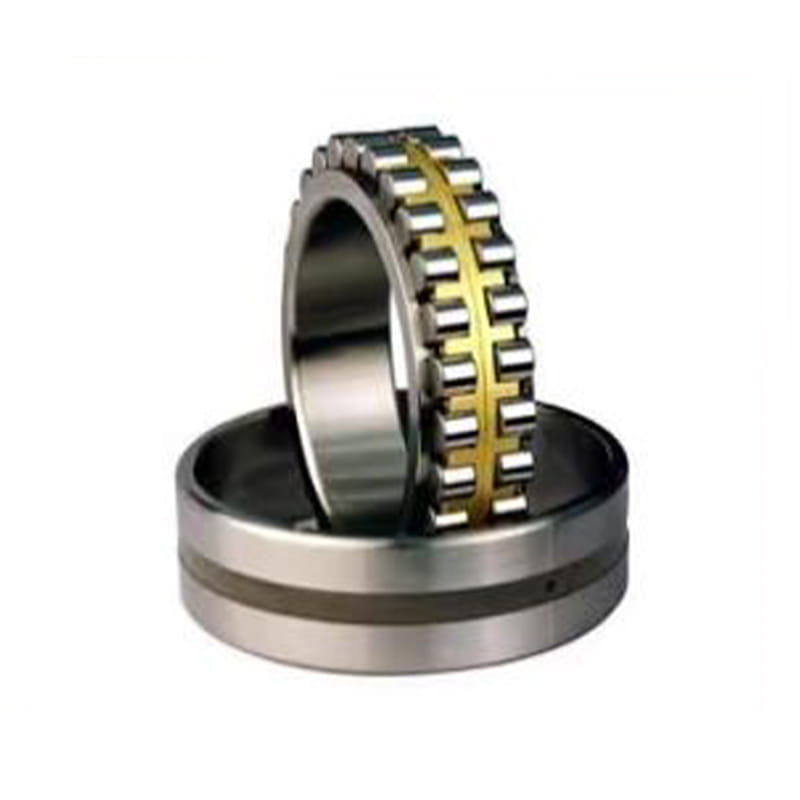
Super precision bearings are critical components in high-speed machinery, aerospace systems, robotics, and precision instruments. The performance of these bearings is heavily influenced by tolerances, which define the permissible limits of variation in dimensions and geometry. In practical terms, tolerances determine how closely the actual bearing dimensions match the intended design.
For super precision bearings, even micrometer-level deviations can lead to significant performance issues. Tight tolerances reduce vibration, noise, and heat generation, ensuring smoother operation and longer service life. Key tolerance parameters include radial runout, axial runout, and roundness, all of which directly impact the bearing’s dynamic behavior.
Accuracy Grades and Their Practical Implications
Bearings are classified into different accuracy grades, with ISO standards defining grades such as ABEC 1-9 or ISO P0-P4 for super precision applications. Higher-grade bearings exhibit lower geometric deviations and superior surface finish. Selecting the correct accuracy grade is crucial for applications requiring high rotational speed or minimal vibration.
For instance, a CNC machine spindle using P4-grade bearings will maintain tighter positional accuracy compared to a P2-grade bearing. This precision ensures that tool paths remain accurate, which directly affects machining quality and reduces material wastage.
Impact on Load Capacity and Longevity
Tolerance and accuracy directly influence the load distribution within a bearing. Misalignments or dimensional variations can cause uneven load sharing across rolling elements, leading to premature wear, pitting, or even failure. Super precision bearings are designed to evenly distribute loads, but only if tolerances are strictly maintained.
Key factors affecting load capacity include:
- Dimensional consistency of inner and outer rings
- Uniformity of rolling elements
- Accuracy of cage positioning
- Surface finish and sphericity of the races
Strict adherence to specifications ensures that bearings can operate at their rated dynamic and static load capacities, thereby extending operational life.
Rotational Speed and Vibration Control
High-speed applications demand bearings with minimal vibration and noise. Tight tolerances reduce the amplitude of radial and axial runout, preventing vibrations that could affect the entire system. In precision instruments such as gyroscopes or medical imaging equipment, even minor vibrations can lead to measurement errors.
A comparison of bearing accuracy and vibration levels can be illustrated in the following table:
| Accuracy Grade | Radial Runout (µm) | Typical Application |
| P2 | ≤1 | High-speed spindles |
| P4 | ≤2 | CNC machining centers |
| P5 | ≤4 | General precision equipment |
Material Selection and Heat Treatment
Even with precise tolerances, the bearing material plays a critical role. High-quality steel, ceramics, or hybrid materials reduce thermal expansion, maintain dimensional stability, and resist wear. Heat treatment processes, such as carburizing or cryogenic treatment, improve hardness and fatigue resistance, ensuring that tolerance and accuracy remain effective under operational stress.
Materials and treatment affect:
- Temperature-induced dimensional changes
- Resistance to surface pitting and spalling
- Compatibility with lubricants for high-speed operation
Measurement and Quality Assurance Techniques
Maintaining super precision requires rigorous measurement and quality control. Techniques include:
- Laser interferometry for runout analysis
- Coordinate measuring machines (CMM) for dimensional inspection
- Surface profilometry for finish assessment
- Dynamic balancing tests to detect vibration issues
These methods ensure that each bearing meets specified tolerances and accuracy grades before installation.
Practical Guidelines for Application Engineers
Engineers selecting super precision bearings should consider the following practical guidelines:
- Match bearing grade to operational speed and load requirements.
- Ensure shaft and housing tolerances are compatible with bearing tolerances.
- Use proper lubrication to minimize thermal and frictional effects.
- Monitor bearing performance and conduct periodic inspections to detect deviations early.
Implementing these strategies can prevent premature failure and maintain system performance.
Conclusion
In super precision bearings, tolerances and accuracy are more than design specifications—they are the foundation for performance, longevity, and reliability. From load distribution and vibration control to material selection and quality assurance, every detail matters. Proper understanding and application of these principles enable engineers to optimize machinery performance and reduce operational risks.